vulca-visual-control-sdk
Health Pass
- License — License: Apache-2.0
- Description — Repository has a description
- Active repo — Last push 0 days ago
- Community trust — 13 GitHub stars
Code Pass
- Code scan — Scanned 12 files during light audit, no dangerous patterns found
Permissions Pass
- Permissions — No dangerous permissions requested
This is an AI-native cultural art creation and evaluation SDK. It provides an MCP server with 21 tools to generate, score, and evolve artwork across various cultural traditions using a multimodal AI pipeline.
Security Assessment
The overall risk is rated as Low. A light code scan across 12 files found no dangerous patterns, and the tool does not request any inherently dangerous system permissions. However, developers should note a few operational security factors. The README indicates a requirement for a `GOOGLE_API_KEY`, meaning the tool actively makes external network requests to Google's AI services. The source code relies on executing external AI models via this API key to function properly. There are no hardcoded secrets in the codebase; you must provide your own credentials.
Quality Assessment
The project is highly active, with its last push occurring today, though it currently suffers from extremely low community visibility with only 5 GitHub stars. The README badge claims an Apache 2.0 license, but the automated health scan raised a warning because the repository lacks an actual license file. This discrepancy means the legal licensing status is technically unverified, which is a common issue in new or fast-moving projects. Despite the low community adoption, the included test suite (over 1,100 tests) suggests a high standard of internal engineering rigor.
Verdict
Use with caution — the code itself appears safe and free of malicious behavior, but you should verify the actual license file in the repository and be comfortable routing your Google API requests through this low-visibility, early-stage tool.
Agent-native image-editing SDK for Claude Code. 21 MCP tools + /decompose skill — semantic layer splits, L1–L5 cultural scoring, region inpaint. Powered by ComfyUI, Gemini, or mock.
VULCA






Vulca turns fuzzy visual intent into controlled creative production.
Discover the direction, compile the brief, route the model, edit the pixels,
and evaluate the result — as agent-native artifacts and MCP tools.
One-click models are getting stronger. Vulca does not try to beat them at raw
generation. Vulca sits around them: it helps agents clarify what should be made,
choose and constrain the right provider, preserve non-target pixels during edits,
and record why a result does or does not fit the cultural and visual brief.
fuzzy intent
  -> /visual-discovery
  -> /visual-brainstorm
  -> /visual-spec
  -> /visual-plan
  -> generate / decompose / edit / evaluate
  -> archived artifacts
| Stage | What Vulca gives the agent | Status |
|---|---|---|
| Discover | Taste/culture profile, direction cards, sketch prompts | PR-ready |
| Specify | proposal.md, design.md, plan.md |
Current |
| Generate | Provider-routed image calls across OpenAI, Gemini, ComfyUI, mock | Current |
| Edit | Semantic layers, masks, redraw, inpaint, composite, paste-back | Current + v0.22 hardening |
| Evaluate | L1-L5 cultural and visual scoring | Current |
| Archive | Prompts, masks, layers, evaluations, errors, user overrides | Current |
Product direction: VULCA Workspace
The SDK and MCP tools are the execution layer. The product direction is
VULCA Workspace: a Creative Repo surface for AI-native teams to review
briefs, visual variants, agent findings, evidence packs, and release gates
before anything is treated as ready for public release.
The current Workspace preview is review-first, not an editor replacement:
Review Inbox, Single Asset Review, Context Drawer, typed review checks,
decision actions, manual upload intake, and a visible public_ready=false
release boundary. Agents can advise inside the workflow, but human reviewers
own release decisions.
See Workspace current-state audit
for how the Workspace preview connects to the SDK/MCP tools, website, PPT proof
lab, and protected project context.
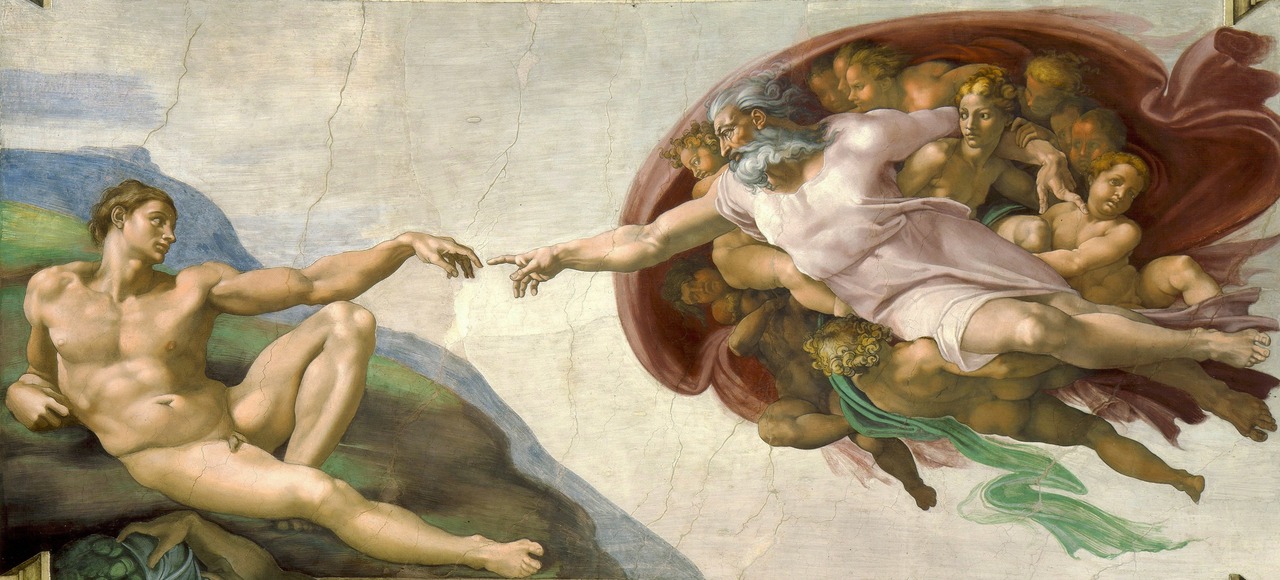
Concrete demo below: Michelangelo's Creation of Adam → 5 semantic layers via
/decompose(background · adam · god_and_angels · red_cloak · green_ground), decomposed locally on Apple Silicon (ComfyUI + Ollama) with zero cloud API calls. SDK surface: MCP tools plus agent skills, validated by the test suite.
What happens when you run /decompose
> /decompose assets/showcase/originals/creation-of-adam.jpg

Claude: I'll inspect the fresco and plan a semantic decomposition.
[tool_use: view_image(path="assets/showcase/originals/creation-of-adam.jpg")]
[tool_use: layers_split(
    path="assets/showcase/originals/creation-of-adam.jpg",
    mode="orchestrated",
    plan={"domain": "fresco", "entities": [
        {"name": "background",     "prompt": "the pale cream sky of the ceiling",
         "semantic_path": "background"},
        {"name": "adam",           "prompt": "the reclining nude male figure on the left",
         "semantic_path": "subject.person[0]"},
        {"name": "god_and_angels", "prompt": "the bearded figure of God with the angel group",
         "semantic_path": "subject.person[1]"},
        {"name": "red_cloak",      "prompt": "the billowing dark red cloak around God",
         "semantic_path": "subject.drapery"},
        {"name": "green_ground",   "prompt": "the mossy green ground beneath Adam",
         "semantic_path": "foreground.ground"}]})]
[tool_result: {"layers": [
    {"name": "background",     "semantic_path": "background"},
    {"name": "adam",           "semantic_path": "subject.person[0]"},
    {"name": "god_and_angels", "semantic_path": "subject.person[1]"},
    {"name": "red_cloak",      "semantic_path": "subject.drapery"},
    {"name": "green_ground",   "semantic_path": "foreground.ground"}]}]

Claude: 5 layers extracted — each person figure isolated, drapery and ground separated from the pale fresco sky. Want to redraw God's cloak, composite with a different background, or run another image?
Quick start
Realistic setup time: ~1 minute if you already use Claude Code with uv installed; ~5–10 minutes from scratch (Claude Code + uv + plugin + key config).
Prerequisite: uv installed (provides uvx). Without uv, substitute uvx --from vulca[mcp] vulca-mcp with python -m vulca.mcp_server in Path B.
Path A — plugin install (recommended)
pip install vulca[mcp]==0.23.1
claude plugin install vulca-org/vulca-plugin
Then in Claude Code: > /decompose /path/to/your_image.jpg
Path B — no plugin (power user)
pip install vulca[mcp]==0.23.1

# Register MCP server — add to ~/.claude/settings.json:
# {"mcpServers": {"vulca": {"command": "uvx", "args": ["--from", "vulca[mcp]==0.23.1", "vulca-mcp"]}}}

# Install the /decompose skill:
mkdir -p ~/.claude/skills/decompose
curl -o ~/.claude/skills/decompose/SKILL.md \
  "https://raw.githubusercontent.com/vulca-org/vulca/v0.23.1/.claude/skills/decompose/SKILL.md?utm_source=github-readme&utm_medium=oss&utm_campaign=refresh-2026-05-11"
 →
→
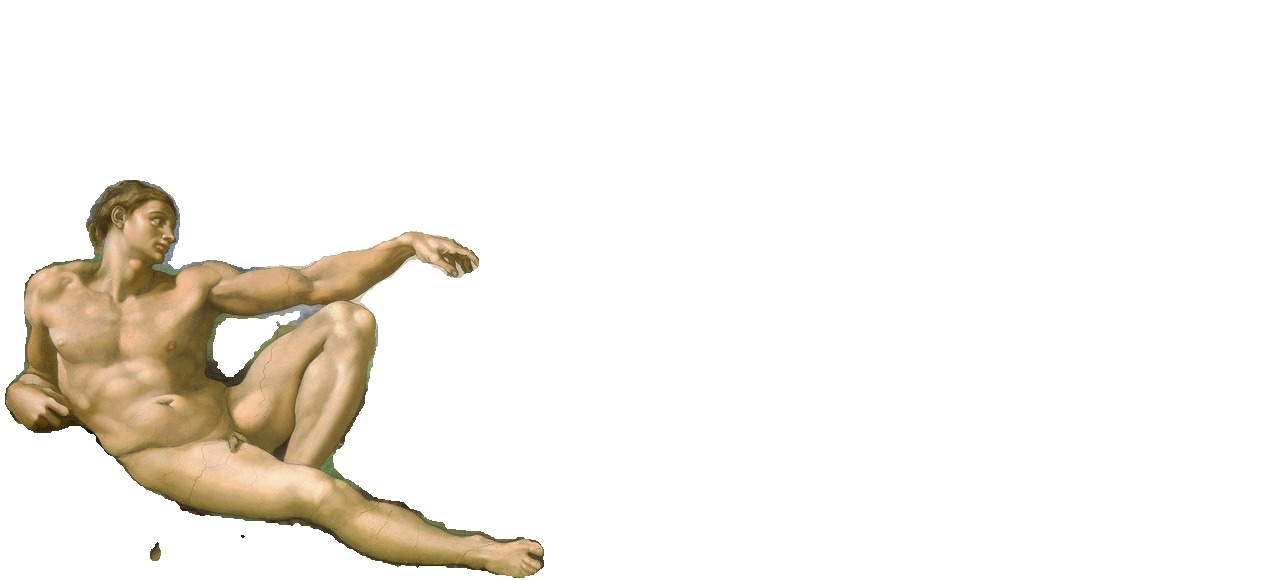
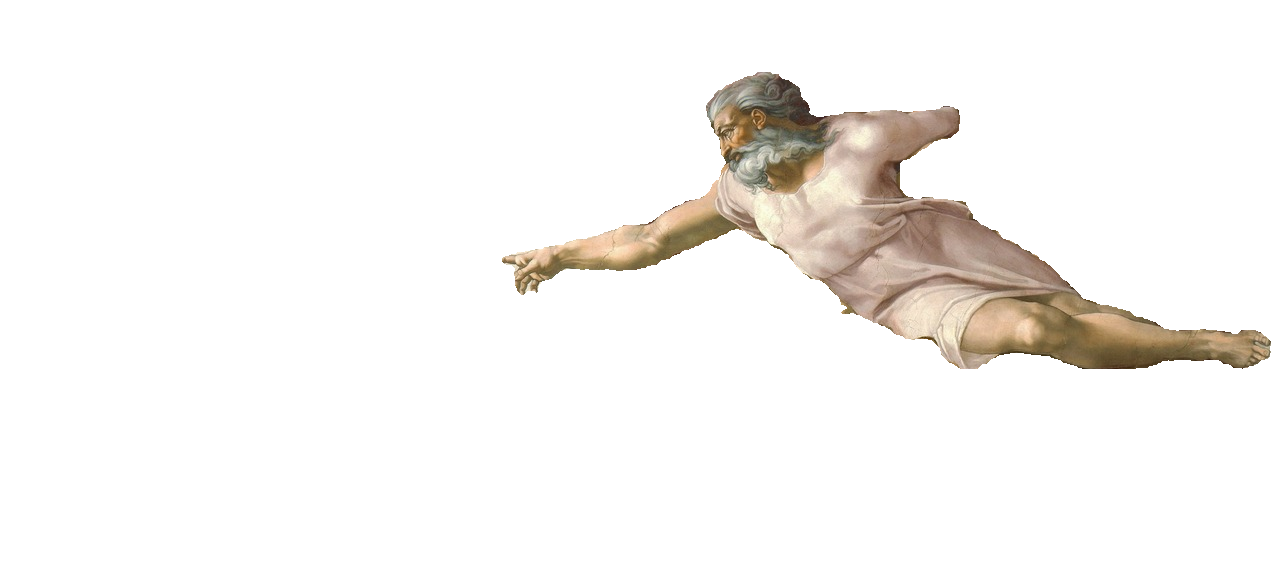
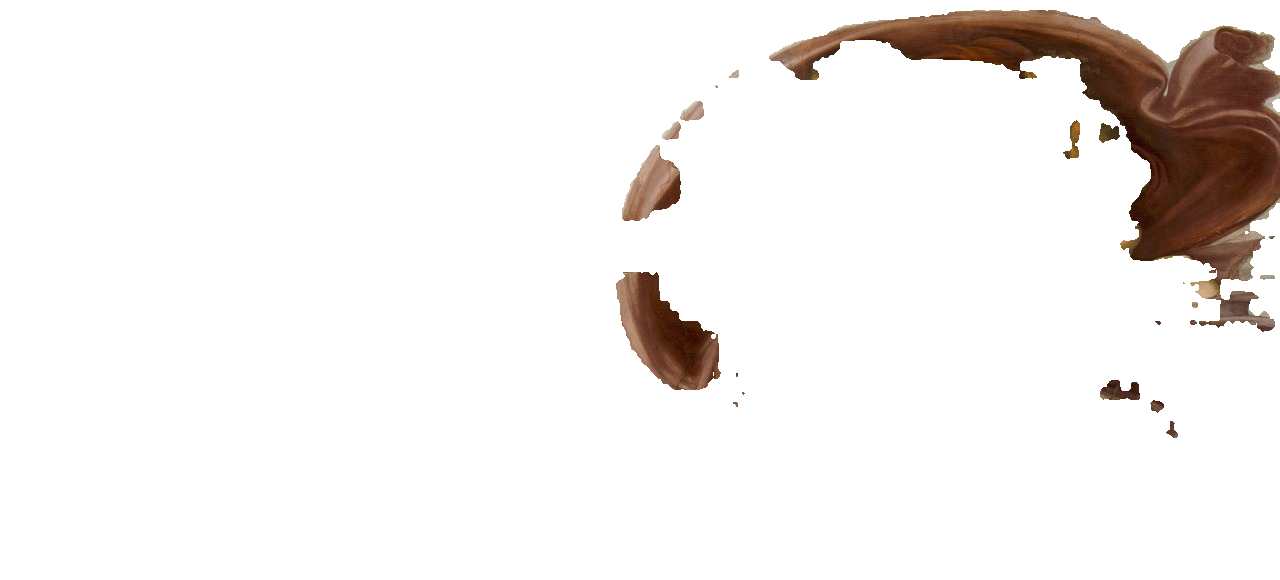
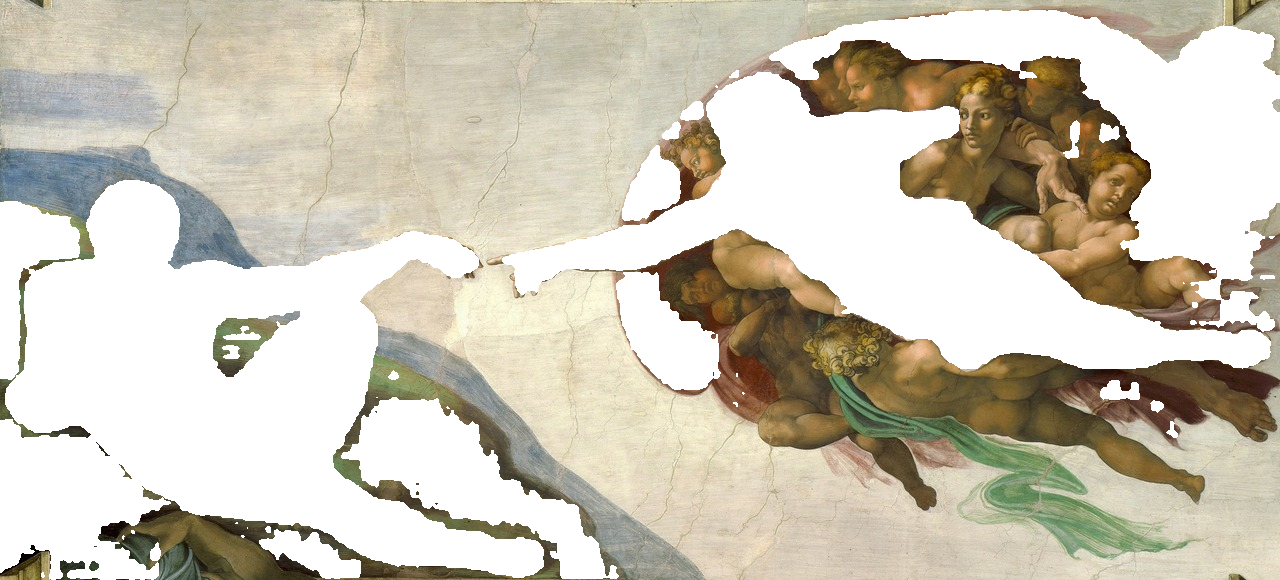
Michelangelo's Creation of Adam → 4 of 5 agent-produced semantic layers: subject.person[0] (Adam) · subject.person[1] (God + angels) · subject.drapery (red cloak) · background. Hierarchical path + the 5th layer (foreground.ground) in manifest.json.
Why agent-native
Most image SDKs ship a "brain" — a VLM planner that decides what to generate, how to compose, when to stop. Claude Code already has a brain. What it can't do is cut pixels: run SAM + YOLO + DINO + SegFormer, diff masks, score against a cultural rubric, composite with alpha. Vulca is the hands, not another brain.
Practical consequences of this framing:
- Tools return structured JSON + paths, not prose. The agent inspects, branches, retries.
- No hidden LLM/planning decisions inside tools — every tool call surfaces its detection report; the agent sees what ran, can branch, and can roll back.
- The skill we ship (
.claude/skills/decompose/SKILL.md) is a declarative prompt, not a wrapper. The agent reads it directly. Future skills follow the same shape. - Vulca doesn't host a model — it drives yours (ComfyUI / Gemini / OpenAI / mock) with structured tooling. No overlap with hosted image APIs; the value is in the pixel-level work between "agent planned" and "image on disk."
- Local-first is a first-class path — ComfyUI + Ollama + MPS tested end-to-end; no cloud key required.
What Vulca takes off your agent's hands
| Cluster | What your agent delegates to Vulca | Skill | Tools |
|---|---|---|---|
| Decompose | Extract 10–20 semantic layers from any image with real transparency. | ✅ /decompose |
layers_split (orchestrated), layers_list |
| Edit | Redraw one region or one layer without touching the rest. Composite back. | Roadmap | inpaint_artwork, layers_edit, layers_redraw, layers_transform, layers_composite, layers_export, layers_evaluate |
| Evaluate | Judge a visual against L1–L5 cultural criteria over 13 traditions with citable rationale. | ✅ /evaluate |
evaluate_artwork, list_traditions, get_tradition_guide, search_traditions |
| Create | Generate a new image from intent + tradition guidance, optionally in structured layers. | — | create_artwork, generate_image |
| Discovery / Brief / Studio | Turn fuzzy intent into direction cards, then a reviewable proposal.md; mock sketch records by default, real provider sketch only after explicit opt-in. | ✅ /visual-discovery, ✅ /visual-brainstorm |
brief_parse, generate_concepts(provider="mock"), compose_prompt_from_design |
| Admin | Expose intermediate artifacts, unload models, archive sessions. | — | view_image, unload_models, archive_session, sync_data |
User intent ─▶ Claude Code (planning) ─▶ Vulca MCP tools ─▶ Image artifacts ─┐
       ▲                                                                    │
       └──────────── visible via view_image ◀───────────────────────────────┘
Roadmap — no promises, just honest order
- Next skill:
/inpaint(region-level edit), after real-image dogfood validates the v0.22 redraw routes - Then:
/layered-create(structured generation) - Beyond: community-driven — file an issue with your workflow
See docs/agent-native-workflow.md for the deeper walkthrough.
Evaluate — three modes (L1–L5 cultural scoring)
Beyond decomposition, Vulca evaluates any image against a cultural tradition across 5 dimensions (L1 Visual Perception, L2 Technical Execution, L3 Cultural Context, L4 Critical Interpretation, L5 Philosophical Aesthetics) in three modes. The MCP tool is evaluate_artwork; the CLI is vulca evaluate. The /evaluate skill wraps evaluate_artwork for agent-led critique and next-action guidance.
Strict (binary cultural judgment)
$ vulca evaluate artwork.png -t chinese_xieyi

  Score:     90%    Tradition: chinese_xieyi    Risk: low
    L1 Visual Perception         90%  ✓
    L2 Technical Execution       85%  ✓
    L3 Cultural Context          90%  ✓
    L4 Critical Interpretation  100%  ✓
    L5 Philosophical Aesthetics  90%  ✓
Reference (mentor — professional terminology, not a verdict)
$ vulca evaluate artwork.png -t chinese_xieyi --mode reference

  L3 Cultural Context          95%  (traditional)
     To push further: adding a poem (题画诗) for poetry-calligraphy-
     painting-seal (诗书画印) harmony.
Fusion (cross-tradition comparison)
$ vulca evaluate artwork.png -t chinese_xieyi,japanese_traditional,western_academic --mode fusion

  Dimension                Chinese Xieyi  Japanese Trad  Western Acad
  Overall Alignment               93%            90%           8%

  Closest tradition: chinese_xieyi (93%)
--layered mode
Vulca can plan a layer structure from a tradition's knowledge and emit each layer as a separate transparent PNG, with the first layer serving as a style anchor for the rest (Defense 3, v0.14+).
vulca create "水墨山水,松间茅屋" -t chinese_xieyi --layered --provider comfyui
# → 5 layers: paper, distant_mountains, mountains_pines, hut_figure, calligraphy
Works across traditions — photography produces depth layers, gongbi produces line-art + wash layers, brand design produces logo + background + typography.
import vulca
result = vulca.create("水墨山水", provider="comfyui", tradition="chinese_xieyi", layered=True)
for layer in result.layers:
    print(layer.name, layer.path, layer.coverage)
From an agent, invoke via the create_artwork MCP tool (Path A/B above). The /layered-create skill is on the roadmap.
Two orthogonal flows for targeted change:
Region inpaint (no decomposition — pick a region, regenerate only that area):
vulca inpaint artwork.png --region "the sky in the upper portion" \
  --instruction "dramatic stormy clouds" -t chinese_xieyi --provider comfyui
Layer redraw (after /decompose — swap one layer without touching the rest):
vulca layers lock ./layers/ --layer calligraphy_and_seals
vulca layers redraw ./layers/ --layer background_sky \
  -i "warm golden sunset with orange and purple gradients"
vulca layers composite ./layers/ -o final.png
Layer operations available: add, remove, reorder, toggle, lock, merge, duplicate. All provider-agnostic (works with ComfyUI, Gemini, OpenAI, mock).
From an agent, these map to inpaint_artwork, layers_edit, layers_redraw, layers_composite, layers_export. The /inpaint skill is on the roadmap.
Research
| Paper | Venue | Contribution |
|---|---|---|
| VULCA Framework | EMNLP 2025 Findings | 5-dimension evaluation framework for culturally-situated multimodal LLM tasks |
| VULCA-Bench | arXiv | L1–L5 definitions, 7,410 samples, 9 traditions |
| Art Critique | arXiv | Cross-cultural expert-level critique evaluation with VLMs |
Citation
@inproceedings{yu2025vulca,
  title     = {A Structured Framework for Evaluating and Enhancing Interpretive
               Capabilities of Multimodal LLMs in Culturally Situated Tasks},
  author    = {Yu, Haorui and Ruiz-Dolz, Ramon and Yi, Qiufeng},
  booktitle = {Findings of the Association for Computational Linguistics: EMNLP 2025},
  pages     = {1945--1971},
  year      = {2025}
}

@article{yu2026vulcabench,
  title   = {VULCA-Bench: A Benchmark for Culturally-Aware Visual Understanding at Five Levels},
  author  = {Yu, Haorui},
  journal = {arXiv preprint arXiv:2601.07986},
  year    = {2026}
}
13 cultural traditions
chinese_xieyi chinese_gongbi japanese_traditional western_academic islamic_geometric watercolor african_traditional south_asian contemporary_art photography brand_design ui_ux_design default
Custom traditions via YAML — vulca evaluate painting.jpg --tradition ./my_style.yaml.
Apple Silicon / MPS quickstart
pip install vulca[mcp,tools]==0.23.1
# Local stack: ComfyUI + Ollama, full MPS support
See docs/apple-silicon-mps-comfyui-guide.md for the full ComfyUI + Ollama setup tested on MPS.
Cloud provider SDKs
Install provider SDKs only when you need hosted image backends:
pip install vulca[providers]

# Google GenAI / Gemini / Nano Banana
export GEMINI_API_KEY="..."

# OpenAI Images / Responses image tool
export OPENAI_API_KEY="..."
Built-in image provider IDs:
| Provider ID | Backend path | Use when |
|---|---|---|
gemini / nb2 |
Google GenAI image generation | direct Gemini/Nano Banana image calls |
gemini-tools / nb2-tools |
Google GenAI image generation plus opt-in tools | image calls that may use tool_profile="web", "url", or "code" |
openai |
OpenAI Images API | direct image generation/editing with GPT Image models |
openai-responses |
OpenAI Responses API image_generation tool |
conversational or multi-turn image flows with previous_response_id |
comfyui |
local ComfyUI | local-first generation, edits, and layer workflows |
mock |
deterministic local mock | tests, docs, and dry runs |
import asyncio
import os
from vulca.providers import get_image_provider


async def main():
    nb2 = get_image_provider("nb2-tools", api_key=os.environ["GEMINI_API_KEY"])
    sketch = await nb2.generate(
        "one green square on a white background",
        raw_prompt=True,
        width=512,
        height=512,
        tool_profile="web",
    )

    openai = get_image_provider("openai-responses", api_key=os.environ["OPENAI_API_KEY"])
    final = await openai.generate(
        "one blue circle on a white background",
        raw_prompt=True,
        width=1024,
        height=1024,
        quality="low",
        output_format="png",
    )

    print(sketch.mime, final.metadata["response_id"])


asyncio.run(main())
CLI / SDK cheat sheet
# Create
vulca create "intent" -t tradition --provider mock|gemini|nb2|openai|openai-responses|comfyui
  --layered                    # structured layer generation
  --hitl                       # pause for human review
  --reference ref.png          # reference image
  --colors "#hex1,#hex2"       # color palette constraint
  -o output.png

# Evaluate
vulca evaluate image.png -t tradition --mode strict|reference|fusion
  --skills brand,audience,trend  # extra commercial scoring skills

# Layers (all 14 subcommands)
vulca layers analyze image.png
vulca layers split image.png -o dir --mode extract|regenerate|sam
vulca layers redraw dir --layer name -i "instruction"
vulca layers add dir --name name --content-type type
vulca layers toggle dir --layer name --visible true|false
vulca layers lock dir --layer name
vulca layers merge dir --layers a,b --name merged
vulca layers duplicate dir --layer name
vulca layers composite dir -o output.png
vulca layers export dir -o output.psd
vulca layers evaluate dir -t tradition
vulca layers regenerate dir --provider gemini

# Inpainting
vulca inpaint image.png --region "description or x,y,w,h"
  --instruction "what to change" -t tradition --count 4 --select 1

# Tools (algorithmic, no API cost)
vulca tools run brushstroke_analyze --image art.png -t chinese_xieyi
vulca tools run whitespace_analyze --image art.png -t chinese_xieyi
vulca tools run composition_analyze --image art.png -t chinese_xieyi
vulca tools run color_gamut_check --image art.png -t chinese_xieyi
vulca tools run color_correct --image art.png -t chinese_xieyi

# Utilities
vulca traditions                        # list all traditions
vulca tradition tradition_name          # detailed guide
vulca tradition --init my_style         # generate template YAML
vulca evolution tradition_name          # check evolved weights
vulca sync [--push-only|--pull-only]    # cloud sync
# Python SDK
import vulca
result = vulca.evaluate("artwork.png", tradition="chinese_xieyi")
print(result.score, result.suggestions, result.L3)

# Structured creation
result = vulca.create("水墨山水", provider="comfyui",
                      tradition="chinese_xieyi", layered=True)

# Layer operations
from vulca.layers import analyze_layers, split_extract, composite_layers
import asyncio
layers = asyncio.run(analyze_layers("artwork.png"))
results = split_extract("artwork.png", layers, output_dir="./layers")
composite_layers(results, width=1024, height=1024, output_path="composite.png")

# Self-evolution weights
weights = vulca.get_weights("chinese_xieyi")
# → {"L1": 0.10, "L2": 0.20, "L3": 0.35, "L4": 0.15, "L5": 0.20}
┌──────────────────────────────────────────────────────────────┐
│                         User Intent                          │
└──────┬───────────┬──────────────┬──────────────┬─────────────┘
       │           │              │              │
  ┌────▼──┐  ┌─────▼───┐  ┌──────▼─────┐  ┌─────▼─────┐
  │  CLI  │  │ Python  │  │    MCP     │  │  ComfyUI  │
  │       │  │   SDK   │  │ MCP tools  │  │  11 nodes │
  └───┬───┘  └────┬────┘  └──────┬─────┘  └─────┬─────┘
      └───────────┴───────┬──────┴───────────────┘
                          │
                 vulca.pipeline.execute()
                          │
              ┌───────────▼───────────┐
              │    Image Providers    │
              │  ComfyUI │ Gemini     │
              │  OpenAI  │ Responses  │
              │  Tools   │ Mock       │
              └───────────────────────┘
| Provider | Generate | Inpaint | Layered | Multilingual |
|---|---|---|---|---|
| ComfyUI | ✓ | ✓ | ✓ | English-only |
| Gemini | ✓ | ✓ | ✓ | CJK native |
| Gemini Tools | ✓ | ✓ | ✓ | CJK native |
| OpenAI | ✓ | — | — | English-only |
| OpenAI Responses | ✓ | — | — | English-only |
| Mock | ✓ | ✓ | ✓ | — |
All 8 end-to-end pipeline phases validated on the local stack (ComfyUI + Ollama, Apple Silicon MPS). See the MPS guide linked above.
Self-evolution (how weights drift per tradition over sessions)Every session feeds back into the tradition's L1–L5 weights. Gating: minimum 5 sessions + 3 feedback sessions before weights shift. strict mode reinforces conformance, reference mode tracks exploration.
$ vulca evolution chinese_xieyi

  Dim     Original    Evolved     Change
  L1        10.0%     10.0%      0.0%
  L2        15.0%     20.0%     +5.0%    ← Technical Execution strengthened
  L3        25.0%     35.0%    +10.0%    ← Cultural Context most evolved
  L4        20.0%     15.0%     -5.0%
  L5        30.0%     20.0%    -10.0%
  Sessions: 71
From an agent: /evaluate calls the evaluate_artwork MCP tool and returns evolved weights alongside scores.
Showcase — agent-produced layer separations
 →
→
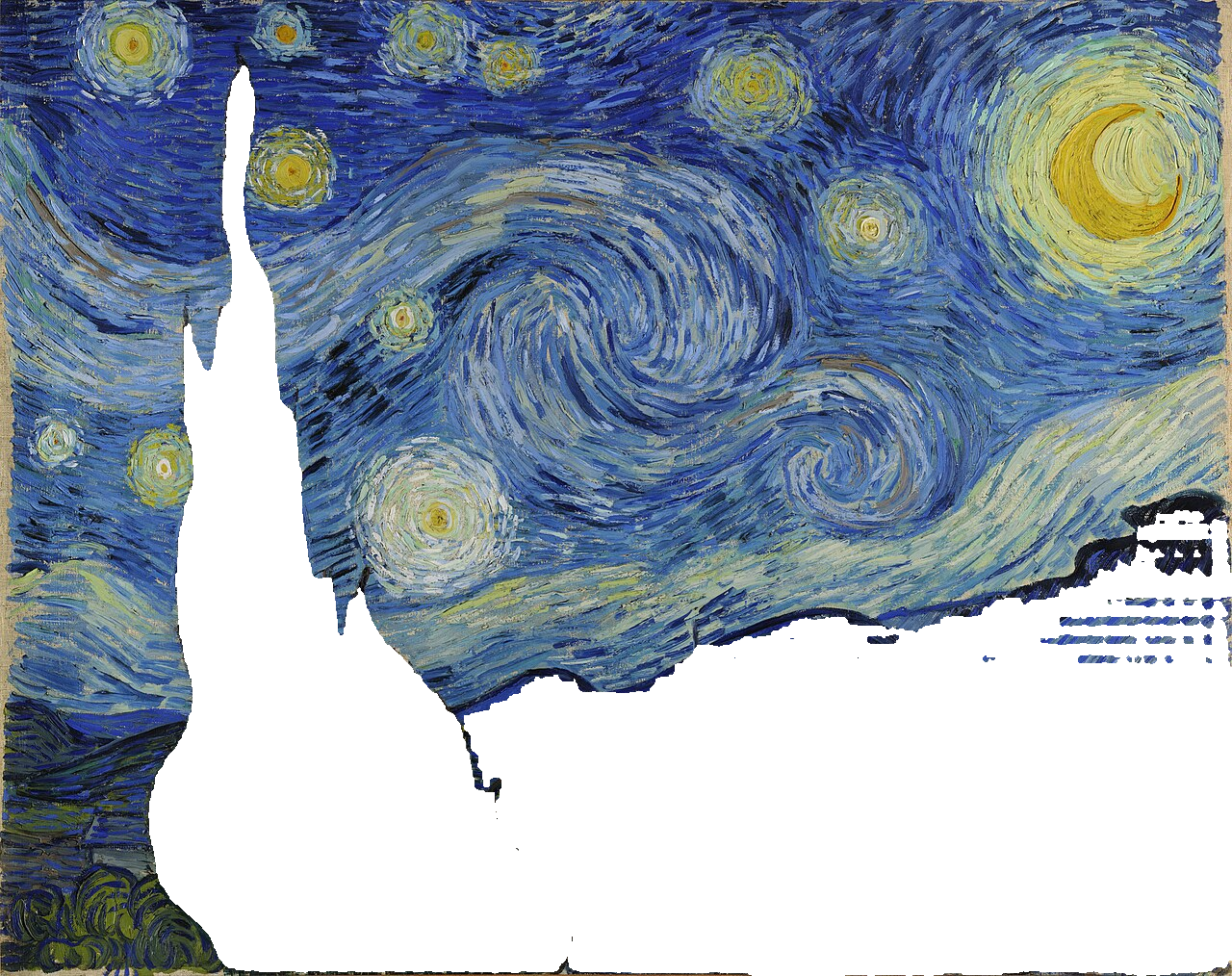
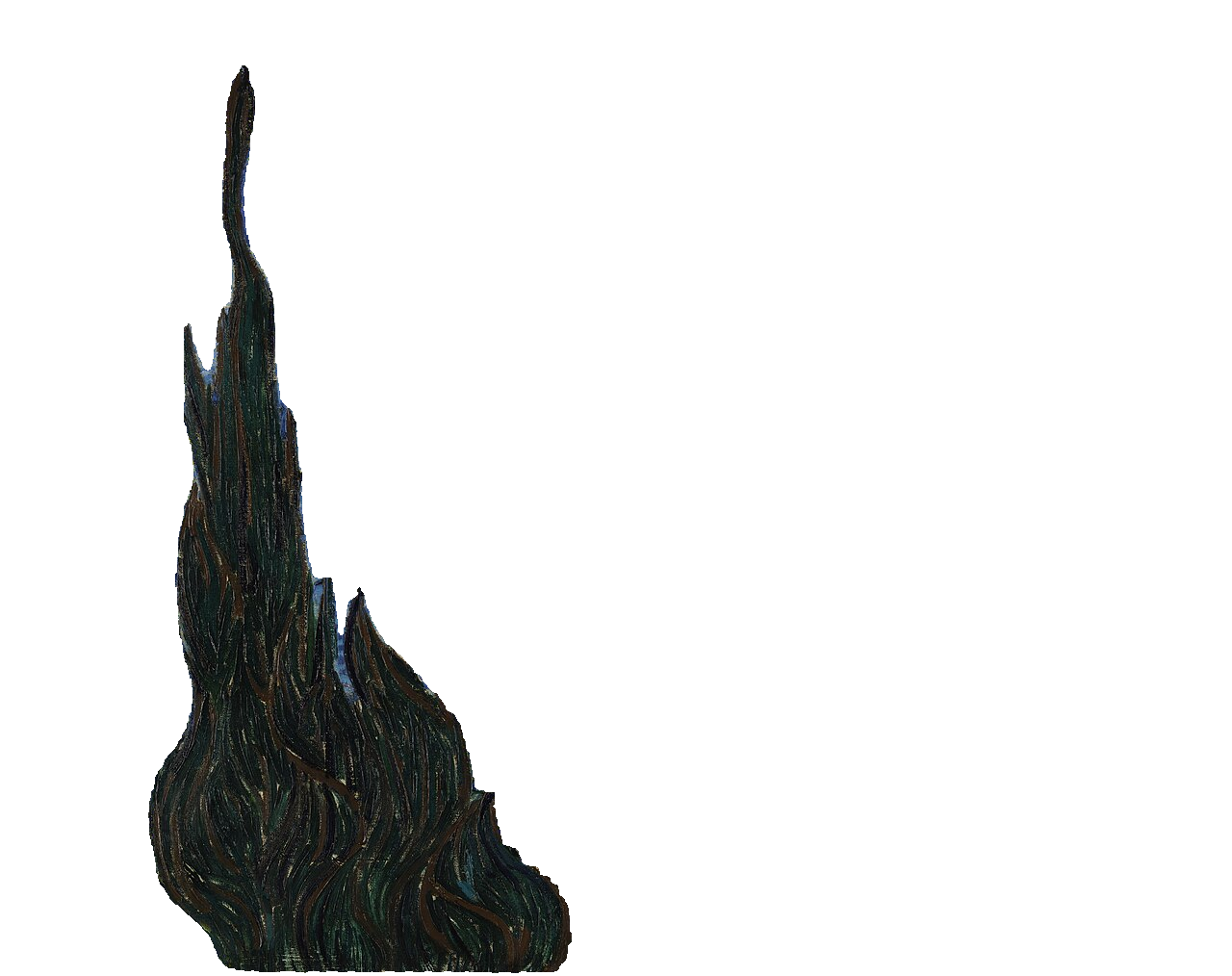
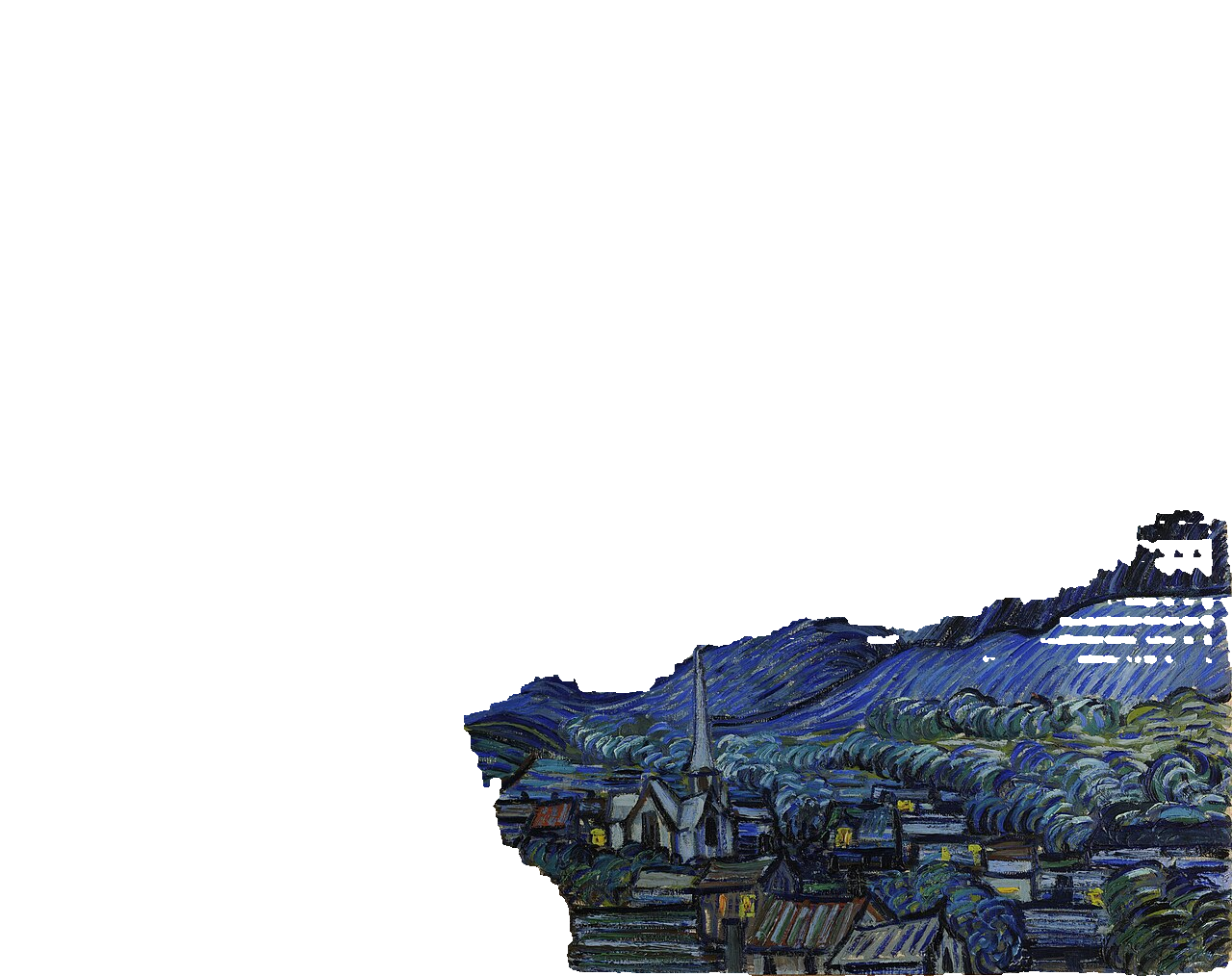
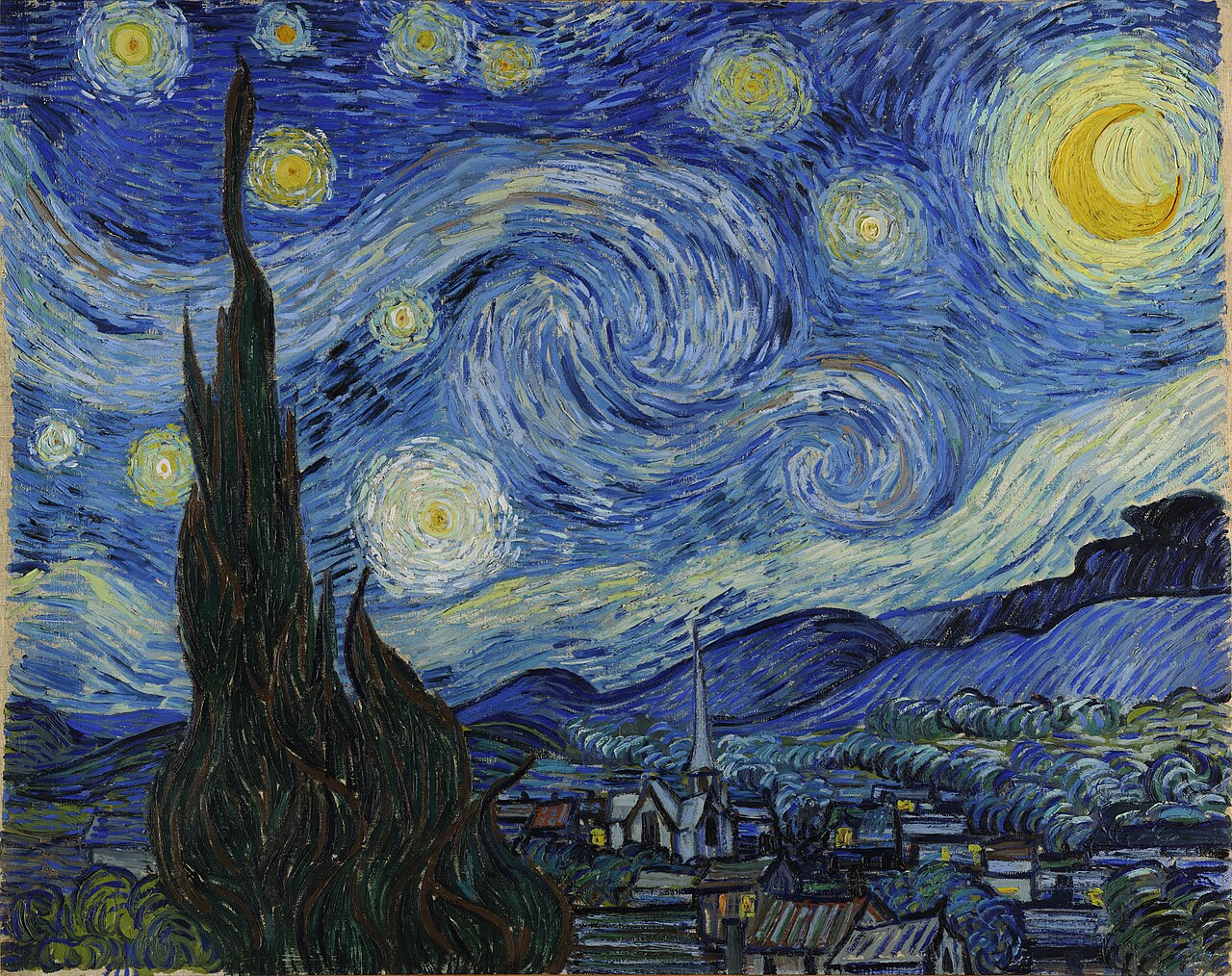
Van Gogh's Starry Night → 3 layers: background (swirling blue sky with yellow stars) · subject (the dark cypress tree) · foreground (the small village and hills). See manifest.json.
 →
→
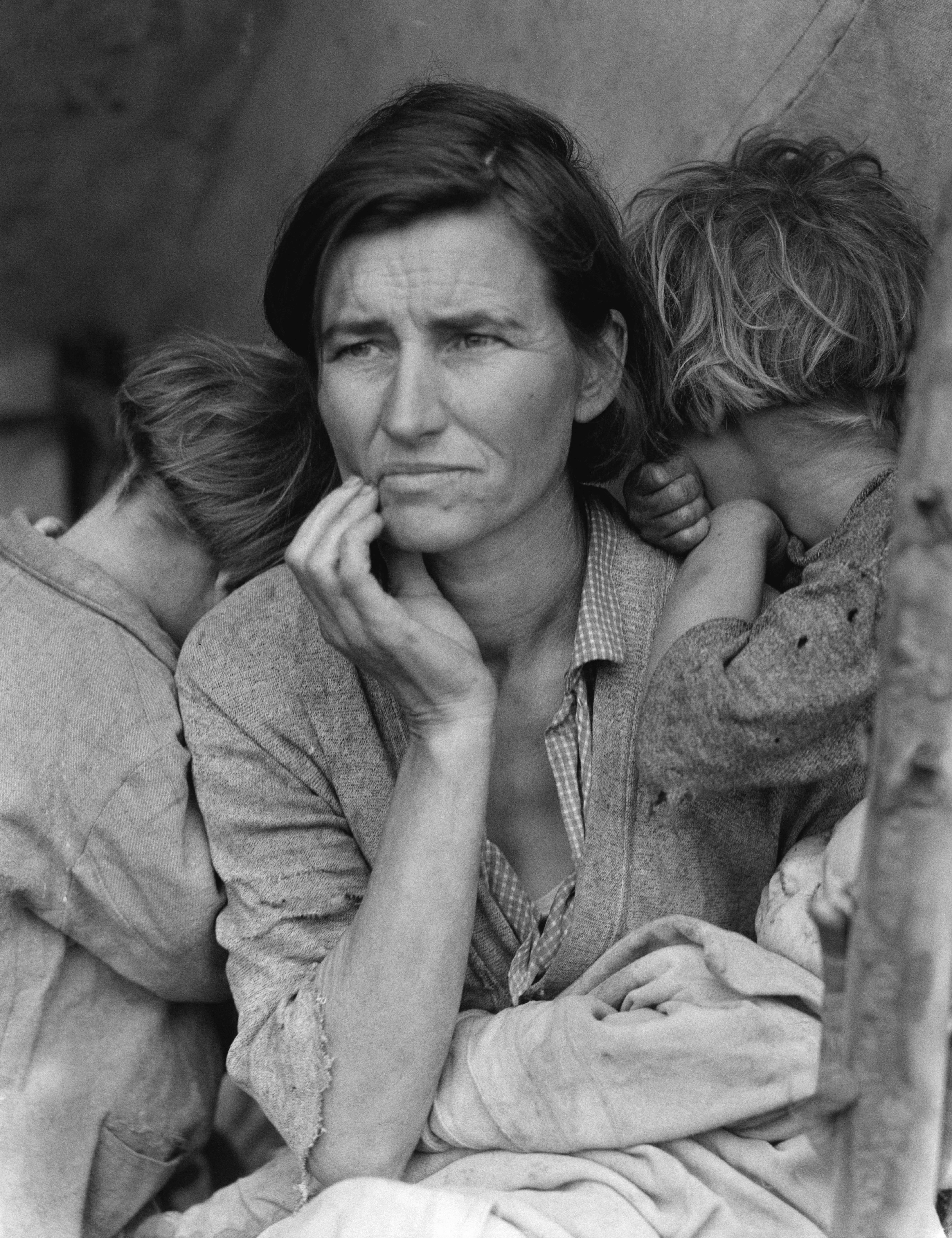
Dorothea Lange's Migrant Mother (1936, FSA — public domain photograph) → 3 layers: subject (the seated woman) · foreground (the two children leaning against her) · background (the dark cloth backdrop). Shows /decompose also works on real photographs, not only painted masters. See manifest.json.
Works across domains — 24 masterworks have been run through /decompose, producing 3–15 semantic layers each.
Support
- Issues: github.com/vulca-org/vulca/issues — bug reports, feature requests, workflow needs that should become a skill
- Plugin: vulca-org/vulca-plugin — version-tracked with the SDK; install in Claude Code, Gemini CLI, or Codex Desktop/CLI
- Web platform: vulcaart.art and vulca-platform — the deployed demo/site and platform workspace
- Skill source:
.claude/skills/decompose/SKILL.mdin this repo — the only source of truth for the/decomposeflow - Skill source:
.claude/skills/visual-discovery/SKILL.md—/visual-discoveryexplores fuzzy visual intent into taste profile, culture analysis, direction cards, and proposal-ready handoff. It is text/artifact-first: mock sketch records are allowed by default; real provider sketch generation requires explicit opt-in. The Codex/Superpowers mirror lives at.agents/skills/visual-discovery/SKILL.md. - Skill source:
.claude/skills/visual-brainstorm/SKILL.md—/visual-brainstormturns fuzzy visual intent (topic, optional sketch, optional references) into a reviewableproposal.md. Zero-pixel, Discovery-metadata only. Scoped to 2D illustrative/editorial imagery (poster, illustration, packaging, brand visual, cover art, photography brief, hero visuals for UI).
License
Apache 2.0. See LICENSE.
Issues and PRs welcome. Development syncs from a private monorepo via
git subtree.
Reviews (0)
Sign in to leave a review.
Leave a reviewNo results found